Optimizing Fertility Health: Nutrition, Supplements, and the Role of Both Partners with Evelyn Kennedy


 RSS Feed
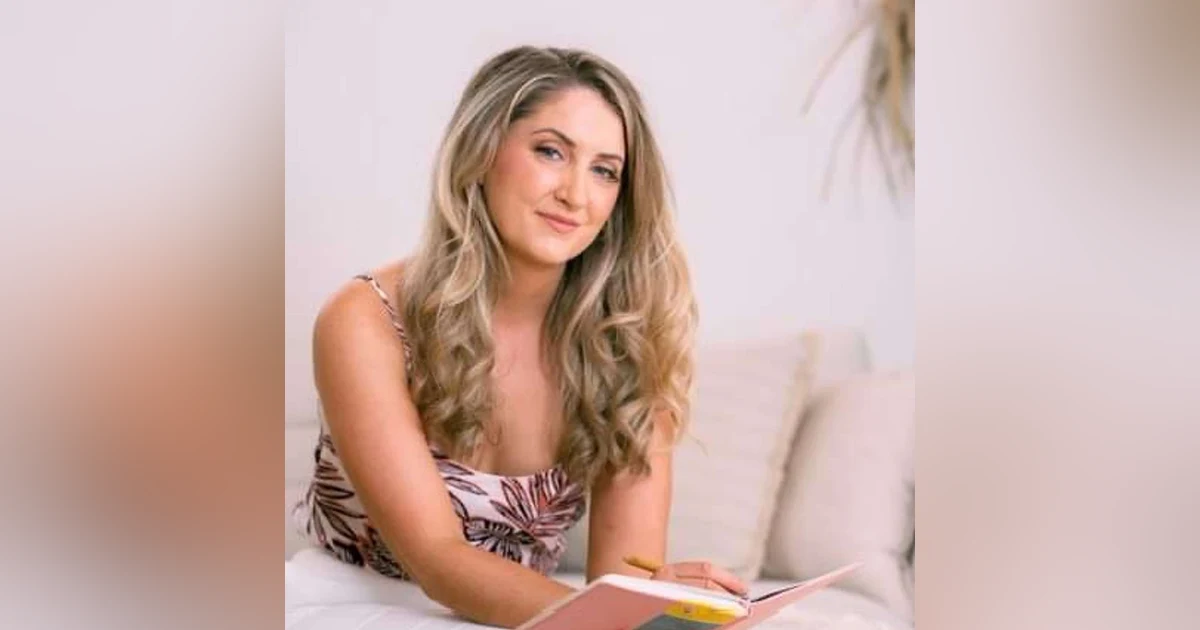
Want to kickstart your fertility journey with the right nutrition? This episode, featuring fertility nutritionist Evelyn Kennedy, promises to be a goldmine of valuable insights. We delve right in by discussing how your diet directly impacts fertility. Evelyn emphasizes the need to take charge of your meals, minimize dining out, and tailor nutrition to your unique needs, helping you stay in control of your fertility journey.
We then transition to the delicate balance between nutrition and supplements. Evelyn advocates for a whole food approach, emphasizing the importance of a robust diet before even considering supplementation. We explore crucial supplements like CoQ10, Omega-3, Vitamin D, and Folate, discussing how an individualized approach is fundamental when considering these.
Our conversation doesn't stop at the women involved. We highlight the importance of the male partner's role in the fertility journey, underscoring the need for both partners' optimal nutrition. Conditions like PCOS, celiac disease, and secondary infertility don't escape our radar as we discuss how they can be managed through proper nutrition. From breastfeeding to managing chronic conditions, you're in for an enlightening conversation on optimizing fertility health – don't miss out!
To connect with Evelyn, go to: http://www.enhancedfertilitynutrition.org/
You can also follow Evelyn on instagram @enhancedfertilitynutrition
Coaching offer
Kelly Hof: Labor Nurse + Birth Coach
Basically, I'm your birth bestie! With me as your coach, you will tell fear to take a hike!
Start for FREE
Disclaimer: This post contains affiliate links. If you make a purchase, I may receive a commission at no extra cost to you.
Connect with Kelly Hof at kellyhof.com
Medical Disclaimer:
This podcast is intended as a safe space for women to share their birth experiences. It is not intended to provide medical advice. Each woman’s medical course of action is individual and may not appropriately transfer to another similar situation. Please speak to your medical provider before making any medical decisions. Additionally, it is important to keep in mind that evidence based practice evolves as our knowledge of science improves. To the best of my ability I will attempt to present the most current ACOG and AWHONN recommendations at the time the podcast is recorded, but that may not necessarily reflect the best practices at the time the podcast is heard. Additionally, guests sharing their stories have the right to autonomy in their medical decisions, and may share their choice to go against current practice recommendations. I intend to hold space for people to share their decisions. I will attempt to share the current recommendations so that my audience is informed, but it is up to each individual to choose what is best for them.
0:01 Hello, today I have with me Evelyn Kennedy, fertility nutritionist. Evelyn helps couples who are trying to conceive by using a nutrition and lifestyle approach. Evelyn specializes in infertility, pcos, hormonal nutrition, gut health, miscarriage and IVF. Evelyn is joining us from Australia and she's from Ireland. Evelyn, welcome and thank you for joining me. Thank you so much. It's my pleasure to be here. I am really excited to hear what you have to say. I have a friend that talked about fertility nutrition on one of my episodes.
0:41 She had some fertility issues and she did a lot of different things in her lifestyle and her nutrition to be able to conceive. So I feel like it's very timely that we're having this interview. Yes, I definitely agree. There is so many people struggling with infertility and I think it's something that we definitely don't talk about a knot. So, whether that's your first time trying, having issues secondary infertility, which is a big thing as well, with people trying to conceive after having their first child, and then lots of people are going down the IVF route these days as well, and nutrition can play a massive role in conceiving from IVF as well.
1:23 So, before we get started, do you want to tell us a little bit about your background and how you became interested in fertility nutrition? Sure. So obviously from Ireland, can't really fake my accent. So I have actually worked in WellBean for 10 years, but more so I've worked with large organizations writing a WellBean strategy. So I've worked with the likes of Apple in their European headquarters. My background is in health promotion and then I studied a master's in new nutrition and then so I've used that knowledge for more general type nutrition over the last couple of years. But then I actually had so many people that I'd spoke to that were having struggles with infertility.
2:10 So a lot of my friends actually were talking about their struggles and I got really, really interested in the area. So I actually went back and did some advanced training in fertility nutrition. So I studied two extra courses and absolutely love the information. Like I've actually learned so much about even my own body Just true studying because I feel you know lots of women when we learn about, you know the reproductive system we don't actually learn enough about, like how we can conceive. I mean before I think I thought that you could conceive at any time within your cycle, but now obviously I know a lot more around, like there's only a small window of time that you can actually conceive in.
3:00 So that's just one example. So that's probably just a bit of background to how I've become so passionate about it, and one in six couples struggle with infertility, so it is something that really interests me. So how does nutrition impact fertility and what are the key nutrients that can improve fertility? So there's lots of ways that basically, nutrition can impact fertility. So on the negative side, obviously, if we are having lots of takeaways and poor food options, that can actually affect our hormone balance. So having things like excess weight can affect our hormones, so producing too much estrogen, which then in turn can affect things like our progesterone, which we actually need to carry the child, so that can be a big one.
3:55 And obviously then on the other side of things, having good nutrition can definitely help our egg quality, our sperm quality. So there's lots of research now in the area that when we look at our fertility diet, if we start implementing changes at least three months before we try and conceive, that actually improves our egg quality. And that is obviously because our eggs take about 100 days to mature and the same where our sperm quality does definitely affect our sperm parameters, so it can help with our sperm quality. So there's actually lots of research around that. And what is specifically?
4:35 You mentioned takeaway. What is the? Is it every place that you would eat or is it just because you don't have control over the kitchen and what's going on? Yes, yeah, that's definitely correct. So as much as we can, I would say try and limit eating out. That's not to say that you can never eat out, because I don't believe in restrictive diets like that, but there is a little bit of research to show that eating out continuously can add to fight AIDS in the diet. So that can actually affect, like, our reproductive health and it is that whole thing of. We might think that we're eating healthy, but in fact there could be lots of things added to that food that we actually can't control.
5:18 So, where possible, you know, making your own meals instead is really really important, because you can actually track exactly what you're eating. So what are the common mistakes that people make when it comes to their diet and fertility, and how can that be avoided? You kind of answered some of it, yeah so I feel in a lot of cases people hear you know, someone else tried this and that worked for them, or I heard a myth around this and this must work, or I'm going to try everything under the sun. So they can be some of the things that leaves people really overwhelmed with the journey. So I really feel, with fertility, we really need to personalize the approach.
6:04 So in my practice, what I do is actually specifically look at people's bloods. So looking at things like their own blood profile, looking at iron, vinten, the amigotree so everyone is going to need some different types of intervention. So what someone else does might not actually be beneficial for your circumstances. So, instead of wasting all of your time and energy trying to implement everything, if you have a personalized approach, you have a pathway directly to what you need to do. So not trying to implement too many things at once, because it's really really hard to stick to everything if you change everything at once.
6:48 In particular, you know things like your restrictive diet. The fertility diet is actually not supposed to be a restrictive diet. It's actually more around what we can add to our diet to improve. So things like adding your fruit and vegetables, making sure you have enough fiber, because that will really directly affect your gut health, having other things like your exercise, your sleep, which we'll probably go into more detail around, but, yeah, so definitely not trying to overwhelm you. So when I take on clients, I look at the overall picture and I implement a couple of things that I know that you can improve directly straight away, and then, over the course of the hundred days that I usually work with someone, then we add things as we go.
7:37 So do you find that you're just trying to get to a point in that 100 days where there's a sustainable nutrition plan and then afterwards they might begin to try to see that they have a healthy egg or sperm? Yes, 100%. So I think, with the approach that I take a lot of the time, I think you really have to educate people more than anything else. So, like a big thing is like sugar consumption, and a lot of the time we see products that are named as healthy options but when you actually look at the nutrition profile, there's all this added sugar or there's other additives or, for example, the dirty dozens when you talk about all of these chemicals added to our vegetables and that.
8:21 So it's more around that kind of education, things like having plastics and that kind of thing, and just small changes that you can make, that can actually make a massive difference overall and, yeah, definitely creating that sustainability. Obviously, there is certain things that we would recommend that might be just over that three month period and specifically for fertility outcomes, but in general, I do like to try and educate my clients more on nutrition and how they can stay healthy after the program as well, because that's going to be really important, especially if you do conceive and you want to make sure that you're a nutritionist adequate through all pregnancy and after that as well.
9:08 So that's a really important approach for me. So then, do you continue to do some of the blood tests you were talking about, just to make sure that the interventions are having the effect that you would want? Yeah, so 100%. My ideal consultation is that we would have a certain point where I would look at all the bloods. If I find any deficiencies, then I would obviously recommend well, always I would recommend whole nutrition and then supplementation where we can't make up the deficiency. And then definitely another touch point we definitely look at the blood again, obviously need to give nutrition approach sometime to work.
9:50 So like obviously like things like building up your iron or building up your vip man d or your amegatory. You would have to give it some time, but I would ideally like my clients then to get a, not a blood, panel at the end of the program. So then I can obviously make sure that there's still no deficiencies going forward, especially if someone's going for the likes of ivf Are egg retrieval, because you want to make sure that you know those eggs are retrieved, are the best quality eggs and obviously that when they do the transfer is that your body would be actually able to hold a child.
10:31 So yeah, it's really important. And then you said you do 100 days, for instance. If there is a pregnancy that occurs after that change in lifestyle, do you then still work with them on maybe different approach, because now we're pregnant, we need different nutrition and lifestyle changes? 100% and actually that is such an important area. If we look at the research around the first 1000 days of a child's life, there is lots of research now to show that preconception, conception and then the first two years and actually now they're kind of saying the first three years of the child's life nutrition it's massively important.
11:14 Much better outcomes for the child if they have adequate nutrition, so lower risk of diabetes, mental health issues, obesity, rest and it basically just gives them so such better outcomes for their health in the long term. So For fertility, nutrition and obviously when the person becomes pregnant, is really important so then you mentioned if you can't add a certain food into your diet, then you would do supplementation. Is that how you work with people with dietary restrictions, like vegetarian? Yeah, yeah, so, where possible, we always try and include the whole food option as much as possible.
11:56 But, for example, like, let's say, someone is really iron deficient and they want to start trying to conceive straight away, you would try and build up that iron as fast as possible because it can lead to issues later on. If you're trying to conceive for a second time, you can be really depilated of iron and obviously you need Iron for energy levels, etc. So in those kind of instances, it is better to build up your iron before you get pregnant. So we would look at supplementation for that, and iron actually has. So I'm supplement supplementation during pregnancy has actually been linked to diabetes risk as well during pregnancy.
12:39 So, yeah, it's really important to look at those kind of things. Are, let's say, for a mega tree? If someone really can't stomach fish, like oily fish and there is people like that, obviously, and a mega tree is really really important for conception Then that's when I would ask to supplement with a good quality and mega trees supplement. So it's just trying to work with your client as much as possible to give them the best outcomes from nutrition and what is going to be an easier approach for them. Obviously, as I said, though, we would always try a whole food approach in first instance so you mentioned that iron is tied in with diabetes risk.
13:21 does that mean iron deficiency increases the risk, or too much iron, iron too much? iron during pregnancy, so you actually shouldn't be taking in massive amounts of iron while you're pregnant. There needs to be probably a bit more research in that area, but there's definitely a couple of studies that are pointing in that direction. Yeah, which is probably why not every single pregnant person is on an iron pill like yes, it's a balance, it's not, yeah, it's not just throw everything at them. So, for instance, if you have a client that's a vegetarian, I think a lot of people assume the iron is just found in me. What other things do they get to do besides? Eat meat. And is meat the best approach to iron in your face?
14:03 so in general, iron would be probably more bio available in your meat products, obviously because it's closer to our cell structure, but you can definitely get iron from other sources. So things like your green leafy vegetables are really important to including your diet, and there's lots of other like so. If you have a whole diet, you should not struggle too much as a vegetarian. That being said, you know sometimes it is hard for people to get a whole diet every day, so that's when we probably would look at supplementation. Yeah, that makes sense. Takes a lot of time to have a full diet. I struggle personally.
14:49 I completely edit. I try not to do take out. But I feel like I'm coming to confession now. I know, I know what I'm doing and I know what I'm doing it, and sometimes it's just it's hard are there any specific foods or supplements that you would recommend for people who are trying to see. So, as I kind of said earlier, it is definitely an individualized approach and I would never say that you know every single person should take the same supplements. But there is a couple that are research so there is evidence based to say that they are effective in fertility. So the first one that works well for clients so both men and women Is coq 10.
15:34 So that's an antioxidant, so that's actually really good one. But it does take some time to actually work. So a lot of the research says if you can start at six months before you're trying to conceive, that that can be good. Even 12 months before can be really good and obviously the amount that you take Is dependent as well on your own situation what other foods that you actually have in your diet and you know if you're your diet is nutritious versus maybe poor quality. Amiga tree, as I said, is a really good one because it's anti inflammatory. A lot of the time when infertility issues it can be due to inflammation, so that can be obviously cause from environmental factors, lifestyle factors.
16:19 So nutrition etc Is a really important one. It's actually used in every process of fertility, so from conception to obviously getting pregnant, and is really really important. Vitamin D is another really important one, even though even if you live like in a sunny area and you get some sun a lot of the time we are using sunscreens now, which is obviously really important thing, but it does block a lot of the bitman d absorption. So even here in Australia, where it's sunny a lot of the time, there is a lot of deficiency in bitman d and things like your full, late and full.
17:00 It's a really important one. I think a lot of people actually do know that now because that's the one that's being pushed a lot. But there is different forms of folate as well. So active folate is becoming a lot more research now as well, and that can be really beneficial for people who have the mth or gene, so that actually allows them to uptake more folate. So there are probably just a couple of the ones that are really important. Obviously, iron is really important now you're seeing is really important one, specifically with miscarriage risk. But again, as I said, I would never recommend someone to just go and get all of these supplements and try them.
17:44 You really really do need an individualised approach because there is toxicity risk with high dose bitmans and minerals and also you really need someone to tell you how much to take, because some of the studies you know that are effective have had high dose and some of them are contradictive as well. So some things you can take, what are so it is really important to have a health professional that's able to guide you through use of different supplements yeah, I love how we are getting towards the personalised nutrition, because I feel like we've had a really real blanket approach to supplementation and health care and that's not necessarily the best thing.
18:27 Other than the folate which we tell at least in the states we tell all pregnant women that they need to start taking some folate supplement three months before they get pregnant, at least. But now I think there's a lot of talk about the different types of folate 100%, and I think you're 100% right with you know that blanket approach, because I think a lot of people go to the doctor and they say, oh, take this prenatal supplement, but when you actually look at the supplements like the prenatal supplements they are sometimes missing some bitmans and minerals. So, in particular, a lot of them don't have choline, which is a really important one for fertility.
19:08 They don't have a meager tree, which is really important as well, and some of them actually do not have the correct amounts that we need within the vitamins and minerals that are recommended. So, although prenatals are really important, but you can't depend on them alone and, for example, you know, if you're not deficient in certain areas, like they can nearly be a waste of money in some instances. So I think they have a place, but also you can definitely have a better approach to making sure that you have adequate nutrition before conceiving yeah, I can always tell when people are taking prenatal vitamins when they come in the hospital as a labor and delivery nurse, because once we get that urine sample you can see that fluorescent looking urine, all the nutrients that are leaking out into the urine we call expensive urine that is so good.
20:02 I mean I'm glad people are taking them. I congratulate them. However, staying on a lot of, it. So this question, this feels very close to home to me how can people balance the nutritional needs with their desire to indulge in treats and comfort foods during the stressful process of trying to conceive or, in my case, during pregnancy? yes, so I think, as I said before, it's not a restrictive diet. I'm not trying to take away everything, but you probably have to look at your diet as a whole. You know having a bit of chocolate every once in a while isn't going to do any damage. But you know, if your first meal in the day is a chocolate bar and your last meal in the day is a chocolate bar and there's not a lot of other nutrition, then you know that can be a problem.
20:50 So it's just about having a bit of a balance and making sure that there's other nutritious foods in your diet. That's probably the main one. And then looking at things like prepping your meals and things like that can really help. A lot of the time people do crave sugar and stuff like that because they aren't eating properly. So they're leaving too much space between their meals and you know your brain then wants that glucose to hit because it's so hungry. So it will try and get those kind of foods and you'll have cravings for those kind of foods. So if you're eating things like protein rich, high fiber meals, you won't actually crave them as much also the nausea.
21:32 That was a big part of the problem I couldn't keep a lot down. Do you work with? women who have the issue of not being able to eat certain foods or have a very limited land diet because of nausea during pregnancy so actually just from personal experience, like my own sister literally had to take the anti-nausea tablets until she gave birth, so I was actually working with her a lot around things that we could help with. But it's probably just not feeling so bad about those times because there's not a lot you can do in that situation. You're trying your best. So the thing that I kind of try and focus on is making sure your nutrition is good, so you have stores to get you through those kind of periods, so like that's why I always recommend looking at your diet before you try and conceive, so you have those stores built up.
22:26 But in general, you know, there is definitely some types of things that we can implement to try and get you through those stages and then hopefully, when you get further into the pregnancy, you won't have that sickness as bad. So yeah, there's definitely a couple of different things that we try yeah, and that's what my OB told me. He said I'm glad you're eating but he left it at that exactly he's like just keep eating whatever you can keep down because you can have the best intentions to eat so healthy throughout your pregnancy, but sometimes that's just the fact, like the morning sickness, and probably morning sickness isn't even the best word to use anymore, because it's just sickness all the time?
23:07 yeah, so how can people maintain a healthy diet and lifestyle during all these fertility treatments like the IVF, the IUI? I feel like there's just a lot going on with the body. Yeah, so definitely looking at self care practice from a more well-being point of view, because it can be such a stressful period. It's very emotional, so you really have to look after yourself during this time. So things as well around the nutrition, like prep in your meals because you know if you have a bad day you're not going to want to cook, you're not going to want to do anything like that, but it's actually have an adequate nutrition that will help you get through, that, give you the energy and that kind of stuff.
23:52 So it is a really important thing. Have an adequate protein is obviously really good for your hormonal health as well, and fiber your gut will definitely thank you for having enough fiber. So having your fermented foods as well is a really good one. But definitely self care practices is really important and giving yourself time and just making sure that you're looking after yourself. Do you help with ideas for meal prep, because I know that I am not very good at that? That would kind of stress me out. Yes, so 100%. I actually. In most instances I look at people's diet, I get them to keep a three day food diary so I can see what kind of foods they generally eat, and then most of the time I will just add extra things or let them know, like how they can improve what they're actually eating already, Because in most instances people will stick to the fertility diet if we add the principles instead of just completely changing someone's diet, Because it's very hard for someone to eat completely different when they're used to a certain way of eating.
25:01 It's more about adding the foods. But I do also have lots of resources around fertility recipes that are easy to make. So I live using my slow cooker, because when I'm working I literally just throw everything into the slow cooker and then it's ready and my air fryer they're my two best friends. So, for example, I make like a lot of salmon because that's good for your amigas tree and that's so easy to make in the air fryer, literally just throwing some vegetables and some salmon. So it doesn't have to be anything really really complicated, but it's taking those principles from the Mediterranean diet, which is obviously the best style diet for fertility type issues.
25:44 Are there any lifestyle factors, like exercise or stress management that can complement a healthy diet and improve fertility outcome? 100%. So I think with everything else, like being healthy, you have to have that holistic approach. So nutrition is one factor, but then things like your exercise is really really good for your stress levels, for your hormones. So it's really important to include some form of exercise, so whatever exercise you enjoy, in particular, because if you're just trying to do something, to do something, then it may cause more stress and then obviously, looking at how to relieve stress. So obviously it can be really stressful when you're not conceiving, when you want to conceive, so that can be stressful, but how can you implement interventions that can help with that?
26:36 So things like journaling, things like yoga, meditation, just having a bit of mindfulness for yourself and just time to yourself, can be really important as well. So, yeah, there are kind of some of the things that I definitely talk about throughout consultations. Yeah, and I think that's so important because I feel like, at least personally, those sugar cravings come when the stress levels are increased, because you've got those cortisol levels and that triggers the need for sugar, and it's just this cycle. So managing that stress is huge. Yes, yeah. So how do you work with clients to develop a personalized nutrition plan for fertility? What are some of the most common concerns and challenges?
27:18 So I do the personalized approach, like what I was saying before, around the bloods, and then I also get clients to keep a three day food diary, usually at least one day on the weekend, because usually that's when people have like to enjoy themselves. So that kind of gives me a good overall picture. And then so with my program so it's actually called a fertility focus, it's a hundred day program, so that gives me the best chance of working with a client. So I actually do eight check-ins. I do a spouse review within that. So previously all of the blame, I suppose are all of the ownership of the issues were took on by the woman.
28:03 But actually there's a lot of research now that shows that it's actually equal between men and women for infertility issues. So I definitely like to take an approach where I include the male as well, because you know, if the female doesn't actually have any issues but they're incorporating all of these great changes but the male hasn't, then it's really not going to make a massive difference for your outcome. So the male really does have to get involved as well. So yeah, I suppose that's kind of the approach that I would take, but definitely that personalized approach is really needed, specifically with fertility. So what advice do you have for people who are just starting their fertility journey and looking to optimize their nutrition and overall health?
28:49 So yeah, with people who are just starting their fertility journey. I would definitely look at my diet as a whole in the first instance. I would probably go and talk to someone around fertility just because of the research around the first 1000 days. So I would want to 100% make sure that I'm taking in the adequate nutrition I need and that is true, obviously, looking at any deficiencies etc. I would try not listen to absolutely every single thing that every single person says to you about every bit men in mineral under the sun, because there's lots of different stuff out there that isn't evidence based and you can really waste your money on a lot of stuff.
29:36 I would make sure that I'm taking my folic acid or folate and having a very rich, nutritious diet with folate rich food, iron rich food, protein rich food, omega tree rich food. So, looking at that realistic diet, just try and make sure that I'm taking the boxes. So when you're doing the blood test, do you check to see if they have the MTHFR, or do you tend to just have them do folate? Not generally. That's totally up to the person. So, for example, if someone's had reoccurrent miscarriage, it can be something that, especially if someone has unexplained infertility, it's definitely an area that I would raise with the client to investigate.
30:26 And also, if there's any background to MTHFR in their family, then I would definitely be advising them to take activated folate and definitely then get screened for it as well. And you had mentioned plastics and the dirty dozen. Can you elaborate on that and how that might affect nutrition and what we might need needing to look out for? Yes, 100%. So plastic is a big one, and definitely your BPA plastic. So they're endocrine disruptors and so it can affect your hormones, which in turn then affects the whole balance around your cycle being able to ovulate efficiently, etc.
31:07 So that can be a massive thing for how long it takes people to conceive because there's too many chemicals. So I definitely recommend people changing over to glass versions of lunch boxes or anything that you freeze your food in or heat your food in, because BPA can get into your food from heat. So even things like if you're drinking water from plastic bottles, you know, definitely try not to leave them in the sun or anything like that and where possible, don't drink out of a plastic bottle. And the dirty dozen? So the dirty dozen is more around the chemicals that they spray on vegetables to obviously, you know, get rid of pests, and so it's mostly like pesticides and that kind of stuff.
31:51 A lot of our vegetables are sprayed with these chemicals and if you look up the dirty dozen, that's the 12 most heavily sprayed vegetables. So where possible, I would definitely recommend that you substitute those 12 with organic produce if you can. And then there's the clean 15. So you can look at the ones that have the least amount of pesticides and chemicals associated with them, where possible. I wouldn't try and avoid them, but I would try and substitute them with organic alternatives if possible. Was there anything else that we didn't mention that you wanted to touch on?
32:31 Maybe just you know I do deal with other things around fertility. So, like PCOS, that can be a major struggle for women and actually there's so many people dealing with PCOS and that can be a lot to do, like insulin resistance and that hormonal issues. So you know that can be one that is really effective with dietary intervention and the sooner you start really looking at those type of issues before you're trying to conceive, the better, because it does take some time to alleviate those types of issues. The same with a lot of people could have celiac disease but not actually know they have celiac disease and that can actually lead to things like miscarriage, because obviously you'd have massive deficiencies because you're not able to absorb nutrients as well.
33:23 So that can be another one that can test for as well if you have had reoccurrence miscarriage. And probably to mention you know I know you probably have lots of people who listen to this podcast that are already mothers but definitely secondary infertility is a massive one now and that can be down to being depleted from nutrients because you've obviously been able to conceive before. But when you give birth and when you carry a child the first time, your body uses every resource it has for that child. So it can be really about building up that nutrition again and that can really increase your chances.
34:05 Yeah, it's definitely important to maintain that healthy diet while you're breastfeeding and so hard you just to complete yourself when you have that first child. So and sleep is actually one that I should probably mention. There is lots of research around that as well. We actually have melatonin receptors in our ovaries, so it's really, really important that you get enough melatonin in your like well. So I wouldn't say diet, but you can obviously use supplements as well, but obviously that good quality sleep is really really important for that melatonin. Right Hormone balance in general.
34:46 That's your circadian rhythm. It all ties in 100%, which is so hard when you've got that baby waking up every three hours. Yes, yes, yes, 100%. But it is around that, where possible, that self care, how you can implement any kind of changes that are going to be beneficial as well. Well, evelyn, thank you so much. This was very interesting. I would have loved to have this when I was having my kids, so probably could definitely benefit from some meal prep. So if somebody wants to work with you, do you have a website or any place that you can get contact? My business is actually fully online and I have an Instagram account.
35:28 That's at enhanced fertility nutrition, so you can follow me on Instagram. But I also do have a website and you can actually look at all of the different programs that I offer, and that's at wwwenhanced fertility nutritionorg. Thank you so much, Evelyn. This has been fascinating. I'm so happy that we got to have this conversation and you've got to share. Thank you. It has been amazing to be part of the podcast, so thank you so much for having me on.

