Dr. Amy (Loden) Tiffany: How Pregnancy Complications Inspired a New Career Path


 RSS Feed
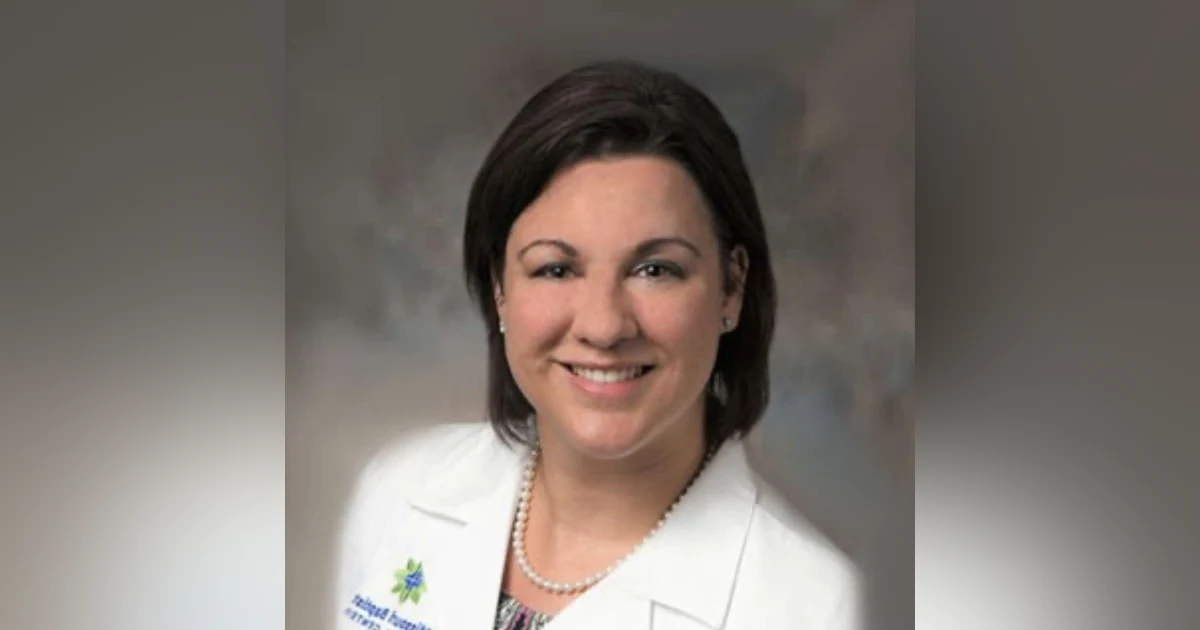
Ever found yourself face to face with unexpected health complications during pregnancy, wondering how to navigate the path ahead? I invite you to join me in this special episode, featuring Dr. Amy Tiffany, a board certified physician specializing in internal and lifestyle medicine, and a board certified health and life coach. Dr. Tiffany bravely peels back layers of her own birthing stories, fraught with challenges including gestational diabetes, preeclampsia, and heart failure. From weeks-long hospital stays away from her other children, breastfeeding hurdles, to forming that elusive bond with her newborns, Dr. Tiffany's journey is a harrowing tale of resilience in the face of adversity.
However, a silver lining emerged when she took the reins of her health—her struggle with gestational diabetes inspired her to become a fervent advocate for women’s health, educating them about the high risks of type II diabetes and heart disease that can occur post-pregnancy. This journey led her to become her own doctor, offering a unique perspective on self-advocacy and the importance of health education for all mothers-to-be.
Parenting is no stroll in the park, and Dr. Tiffany isn't one to shy away from the hard truths. As our story unfolds, she shares her take on raising children in an environment that encourages learning from failure and resilience. She stresses the importance of intentional parenting, and maintaining a positive mindset, even when times get tough. As we delve into her experiences, we find precious nuggets of wisdom that all parents, new and seasoned, can take away. Tune into our episode and join Dr. Tiffany on this emotional journey of life, learning, and self-discovery.
Connect with Dr. Tiffany at vitalitymwc.com
Coaching offer
Kelly Hof: Labor Nurse + Birth Coach
Basically, I'm your birth bestie! With me as your coach, you will tell fear to take a hike!
Connect with Kelly Hof at kellyhof.com
Medical Disclaimer:
This podcast is intended as a safe space for women to share their birth experiences. It is not intended to provide medical advice. Each woman’s medical course of action is individual and may not appropriately transfer to another similar situation. Please speak to your medical provider before making any medical decisions. Additionally, it is important to keep in mind that evidence based practice evolves as our knowledge of science improves. To the best of my ability I will attempt to present the most current ACOG and AWHONN recommendations at the time the podcast is recorded, but that may not necessarily reflect the best practices at the time the podcast is heard. Additionally, guests sharing their stories have the right to autonomy in their medical decisions, and may share their choice to go against current practice recommendations. I intend to hold space for people to share their decisions. I will attempt to share the current recommendations so that my audience is informed, but it is up to each individual to choose what is best for them.
0:00 Hello, today I have with me Dr Amy Loden. Dr Loden is the mother of four, a board certified physician specializing in internal medicine and lifestyle medicine, and a board certified health and life coach. Dr Loden is here today to share her birth story. You can connect with Dr Loden at VitalityMWCcom. Dr Loden, welcome and thank you for joining me. Hi Kelly, Thanks for having me. It's so good to be here. Yeah, it's good to see you again. I think it's been like 15 years. Nice. Let's not advertise that too loudly, don't forget about that. Yeah, it was just yesterday, oh, but it is good to see you and to catch up, and I really appreciate you inviting me here today to talk about birthing stories and the trauma that sometimes we carry with us emotionally or the fears we may have going into a birth that hasn't happened yet.
0:53 Yeah, absolutely, and I'm sure you have a lot of insight. Sadly I do. My birth stories started with my daughter, who's now 10, and she really. The pregnancy was fairly uncomplicated I was working in the hospital full time, no real concerns, and what ended up happening was I had gestational diabetes and woke up one day and my glucose was 40, which is very bad, and we couldn't figure out why it was so low. It turns out my placenta was failing, so first it had caused resistance to glucose and so my insulin levels were more higher than they needed to be. But then what ended up happening? Is it failed? And when it failed, there was concern that is it going to stop having blood flow to the baby?
1:36 So, of course, then I'm admitted immediately, and there's all the drama about oh my gosh, the baby's not supposed to be here for two more weeks and in the scope of things, coming two weeks early is not that big of a deal anymore, but it was certainly not what I had emotionally planned for. So I'm admitted on a Friday night, no big deal. Well, actually I was really scared. I was like I don't know what's going to happen. Even though I'm a doctor, I know what happens. I know part A has to come out of part B, but this is really scary. So we go in and Saturday, nothing's happening. I'm literally sitting on a whatever those bouncy balls are in the hospital to help you burn and my pitocin's like at the max dose and I'm feeling nothing. Nothing Like this is not good. So that was all day Saturday. All day Sunday.
2:17 My mom finally flies in from rural Missouri where she's been I'm living in New York City at the time and she flies in. I'm like, yeah, this is day four and I have nothing and I'm supposedly having this child that has no placenta working. This is not good. So my anxiety level had been through the roof by that time. I hadn't slept for three days because in the hospital you just don't sleep, and the food sucked and then they would let me eat and I was like I'm going to become this horrible person if you don't like, either take this baby out of me or something. So they said fine, we're going to just try breaking your water, seeing how that helps. Well, that did make some contractions happen. That was a very nice awakening to what contractions felt like and that was probably the most horrible six hours of my life, until I figured out that epidurals might be necessary and epidurals are okay and you're not a terrible person if you use an epidural.
3:06 Which was really, for me, startling, because, even though I was a doctor and even though I knew all these medical things, I really went into the birth experience thinking I'm not going to eat an epidural, I'm going to do this naturally, like I've got this right. Like when that water broke I was like, oh no, no, no, no, this is not working. So I'm doing the breathing, we're doing fine, they finally get the epidural. And then I started having a pain I shouldn't have had, despite having an epidural. I was like there is something wrong. And the doctor's like, oh no, no, you're doing great. And I was like there is something wrong. I don't know what's wrong with. There's something wrong. My mom's there, she's like you're fine, just listen to the doctor, right? My husband's saying the same thing and I'm in tears because I haven't eaten, I've sleep deprived, I'm in pain and I know something is wrong.
3:47 I'm not sure enough. Something was wrong. So, instead of my daughter trying to come out like a normal child with her head, she came out with her elbow. You're not supposed to do that. And so I thought, oh my gosh, what am I going to do. And so I'm looking at the OB and I was like, can you promise me that my child is going to have a normal arm, no shoulder dystocia, if I let you deliver her vaginal Cause? They're like ready to go. And I was like, no, you promise me this can happen or we're doing a C-section. So I ended up with a C-section. It ended up being that the chief resident actually had to push my daughter back in through the vaginal canal while the OB pulled her out from the uterus. It was not cool. And then, whether it was me, whether it was the event, I don't know I couldn't connect with her, like I could not emotionally bond with my child.
4:30 I had looked forward to this child, I had everything ready for her, I was ready to have, you know, be the mom of the year. And I just looked at her. I was like I don't feel anything for my baby. This is not normal. I was trying to breastfeed, couldn't get it. It just wasn't connecting, struggled with that, went home, continued to struggle with it. Pediatricians telling me, you know, formula is not poison. I'm like breast is best, you know. Trying to do everything we learned in medical school and feeling like a total failure and at the end of the time it ended up that for her breast was at best. She didn't like breastfeeding, I didn't like breastfeeding, and we ended up she's a wonderful, developed child now.
5:10 She's everything I wanted my daughter to be, and more right. And there was so much in those moments, so much emotion, so much focus, that the bigger picture got lost. And the bigger picture was you know, healthcare doesn't always do what we think it's gonna do, but they're gonna do their best to take care of you and your doctors and your nurses. They may make mistakes. My doctor was wrong, there was something in my body that was not going right, right, and we knew this finally. And then she was flat wrong. But at the end of the day, I kept advocating for myself and I kept saying that listen to me. And the nurses listened to me. The doctors finally started listening. You would think a doctor listens to a doctor, right, but no, it didn't work for me.
5:51 Maybe I did something wrong, but it just didn't work. And you know, I think there's a lot of commonality in that and what I've heard from other moms. So I'm like cool, well, I'm gonna have, you know, a great daughter. I probably need a son to even out the balance. So a year later, you know, her first birthday, my husband was like hey, you wanna have another one. I'm like sure let's do this again, it'll be easy. No, I had gestational diabetes again. More severe was on massive doses of insulin. Mind you, my body weight was totally normal at the time, which, as an internal medicine doctor, I like this is my bread and butter. This is what we do and it was maddening to have this diabetes be so out of control when this is what I treat. And then the next thing, I know, you know I'm 30 weeks pregnant and they're like your baby's not moving.
6:36 And that is the last thing you wanna hear when you go on for an ultrasound Like we hear a heartbeat, the heartbeat's time, that the baby's not moving. They're like this sometimes happens with gestational diabetes. So I'm admitted to the hospital. They do this whole workup. They're like your blood pressure's 210 over 140. I'm like is that even real? Like people pre-measure this, you know. So my doctor mind is like freaking out and telling them that they don't know what they're doing to use the right technique because they're not measuring blood pressure correctly, and like I'm schooling them in my neurosis of instability here. And at the end of the day, my blood pressure was high, so I got pulled out of work and I was told to sit on bed rest, which I did for eight weeks. I understand that bed rest is debatable.
7:17 I understand that there's lots of differences. That's what we chose and it worked out. My son was born. He's a wonderful human being and super happy to have him Fast forward four years and, for whatever reason, my brain is like huh, wouldn't it be nice to have a third kid? Just one more why why, why. And so my husband's like looking at me, like, seriously, how are we doing this again? I was like, okay, well, let's just do this, let's try IVF, because now I'm like 35. Let's just try it. We have benefits right now. I'm gonna leave this institution. I won't have benefits If we just we don't wanna do it, we don't have to, so we do. We ended up having three embryos, and IVF is a whole another story. Right, like that world is its own world.
7:58 Craziness, ignoring that. And we go in for our first appointment after the embryo transfer and you know you're in there and they've got the window shades drawn for privacy and your husband's standing behind you and they insert the speculum to put in the ultrasound one right, and the tech. I still am mad at her about this. But she says, oh, this is not good, like first ultrasound. She tells me, oh, this is not good and that was like the absolute wrong thing to say to any mother. But you just don't say that, right. So I was like, okay, what Cause? I thought I was dealing with a dead baby. I mean, I really thought when she said that there was, we didn't have a viable pregnancy.
8:39 And she's like this is gonna take a lot longer than I planned. I was like because why? And she's like you're having twins, what, we have a tentacle voice. It's like you gotta be kidding me, right? So like, if there's bad luck in pregnancy, I am going to have it. So, by the way, I love my boys. They're wonderful. But yes, that was. I just have never really forgiven her. I hold grudges for a long time and I have never forgiven her for that cause. I really thought I was dealing with a dead baby. So pregnancy's fine, at this point I've just accepted I'm gonna have gestational diabetes, right, like, this is my life. So I tell my doctor you're not allowed to manage my diabetes. I'm a doctor that deals with this. I'm doing this and I'm gonna do it my own way, which I did.
9:20 I don't recommend that. That is a terrible plan, but I did it. And later in pregnancy, about 25 weeks or so, I started getting weird feelings. Something wasn't right. I couldn't really place it. It was an emotion. It was like this mental feeling, something's not right and, as a very driven type A woman, like we all, know that I'm gonna have anxiety. So I'm blowing this off right. I'm thinking, I'm just amped up about this. I've got two kids, I'm just getting closer and you know it's the end of second trimester and I'm just starting to worry in it and I need to just calm down. So for three or four weeks I tried to do this. By the way, I was working in an OB office at the time this happened. So it just like right, you can't get any more craziness. And about when was it?
10:00 It was 31 weeks. I had just made 31 weeks and my leg really started hurting and I was like what the heck is going on with? my leg Go home that weekend. I'm relaxing Friday night I tell my husband my leg really hurts, I can't get up. He's like what do you mean? You can't get up? So I was like okay, just hear me out. I'm just gonna go to bed and see how it feels tomorrow. Well, tomorrow didn't change. I sat there all day Saturday. It's like my leg is killing me. It's like my entire. I couldn't even specify. Is it my muscle? Is it the joint? I have no idea. And so I was like, just we're gonna have to get checked out. Like it's been 24 hours Saturday night. Call your mom who lives an hour away. Have her come in and be with the two and the four year old, right, or I guess there are four and six at that time.
10:44 But we gotta go in. This is not cool. So I go in and like, yeah, we don't know what's wrong with your leg, but your blood pressure is 210 over 150. Like, are you kidding me? We're not doing this again. So they're like we're gonna admit you because your baby is at least viable, your baby is plural and you know we should check out your blood pressure. So fine, admit me, I don't care. Give me something for my pain, let me sleep and I'm going home tomorrow. Fast forward 12 hours and they're like you're not going home until your babies are delivered because you have preeclampsia. Congratulations, are you kidding me? Like I have patients to see on Monday. I will go home, get my schedule fixed. I'll be back in a week. They're like no, you're not leaving the hospital.
11:28 So that did not help my blood pressure. The fact that I was separated from my four and my six year old, who slept with me every night, don't judge me, but they did, and this was not the life I had planned for this pregnancy. And all the while, like my other two babies, I can feel them moving and they're doing fine. So I'm like, I can feel them moving. I don't have bad preeclampsia. Send me home, I promise I'll take my blood pressure. Like are you out of your ever loving mind? You're not going anywhere. So it's still so. I'm 31 weeks pregnant and still in the antifornum unit. And there is I'm 31 weeks pregnant. They're like yeah, you're gonna be here for at least three weeks. We're hoping for six. Like what, I can't do this. This is not an option. And that was now Sunday. It's like okay, fine, then they really turned up the heat.
12:10 They're like oh, by the way, we have to do ultrasound checks on your babies every few hours, every single day, until you deliver. No, so it doesn't help my story at all. I suppose that I totally blame the residents for this next part. And residents, you know I love them, I was one but I really think that they screwed this part up. I told them I don't know what happened, but my water broke and they're like, no, it didn't. It's like yes, it did. There's water draining out of my body, like oh, you're just peeing, like no, I'm an educated person, and even if I wasn't, I know the difference between pee and something else. My water broke, no, no, no, that couldn't be.
12:50 I was like, well, you're doing these dadgum ultrasounds every six hours anyway, so just put the damn probe on and look and see Did the water break or not? Well, sure enough, one of the babies has no water around it. So now we've got a pre-reducer rupture of membrane on top of pre-eclampsia and my blood pressure kept going higher and higher because it was so far out of my control. Everything in my life up until that point I had complete control over in the hospital. You have, don't? You don't have control, even when you advocate for yourself. It is the most vulnerable a person could be, in my opinion. So by Thursday night, if I thought I was psychotic after my first kid, with no sleep by Thursday night with the twins. It was awful talking to some of the people in retrospect who talked to me.
13:35 They're like you didn't make any sense the stuff you were saying and everyone was like, well, it's the magnesium, it's this, it's that the other. Frankly, I think it's sleep deprivation, but you know, I'm not a real doctor, I'm not an OB, so what do I know? Right? And you're not supposed to be an internal medicine doctor arguing with an OB. By the way, I learned that. So, thursday night, and not feeling right, I'm struggling to breathe. I can't walk across my hospital room without shortness of breath and I'm talking to my mom and my sister. They're five hours away and at the time we didn't know it, but they both looked at each other after we got off the phone and said we need to go up there, something is wrong. So they're driving up this and I don't know this.
14:18 They walk in and they're like Something's really wrong with you. I was like, yeah, I know it's, I'm in the hospital, that's what's wrong with me. These people are like not letting me treat this as an outpatient. I could take these medicines at home. This is. I'm not even on an IV medicine. There's no reason be help, right? So Again, I lost that argument and I'm not very good at arguments. It might seem the OB says well, listen, I don't know why you're short of breath, but it's probably just because you're pregnant. I was like no, please stop saying that, please get me another doctor. And I actually demanded that. It's like you're all fired. Something is not right here. You're not listening to me. You're telling me I'm peeing across the room. When I'm walking across the room because I have a broken water, they get me the high-risk OB's. The high-risk OB's look over everything.
15:00 They're like you know why don't we just get a heart ultrasound and make sure that there's no problem with your heart? Well, you know the file, my story is gonna end right like this is obviously gonna be a problem. So I have heart failure, my heart is not working like. That is why I can't breathe. It's not a blood clot, it's not any of these other things that you know. Supposedly I was gonna have. No, my heart Just not beating like that might be a problem. So that one they got my attention with the high-risk OB comes in and she's like you have to go the operating room. It's like no, no, give me some LASIKs. I'm a medicine doctor. This is what I do. Just give me some LASIKs, I'll be fine. We're gonna keep these little kids cooking until it's longer alone. She's like that's fine, we can give you some LASIKs. But here's how it's gonna play out either I'm gonna take you to the operating room tonight and we're gonna have these babies and we might give you some LASIKs afterwards to Help you breathe, or I'm gonna wait 24 hours and I'm gonna intubate you because you won't be able to breathe your lungs are so full of water and then I'm gonna take you to the operating room and do the same thing.
15:55 So the question is do you want to hold your babies tonight or not? I was like well, you don't give me very many choices here, do you? So I went to the operating room that night and you know, looking at the pictures it was, I didn't think they were gonna survive. They came out they were blue. Turns out that's what they're supposed to be at 31 weeks. But it's a not OB doctor, I didn't remember that. And so they're in these look with like turkey-basting bags, right, trying to keep their body heat warm, and like I'm just convinced I've killed my voice, right. I am laying there on the operating table. I'm hearing them intubate these babies, I'm hearing them hook them up to all these machines. I'm hearing the you know these comments in a mind that sleep deprived on magnesium, right.
16:39 So everything seems worse, doesn't feel right and isn't taken in context. And I just start sobbing on the operating table. I'm like I can't breathe because I'm crying so hard and I'm laying down and my heart's failing and it's like I killed my voice, I killed my babies and my husband. He was like you just need to calm down and it's gonna be okay. I'm like I'm gonna punch you, except my hands are tied down to the operating table, so I can't reach up here and punch you in the nose. Don't tell me it's gonna be okay. Go with one of our kids. I sent my mom with the other kids, so finally get back to the room and I don't have my babies. The pain medicine's making me loopy. On top of all this, somebody just give me some chocolate ice cream, right?
17:19 That'll fix everything. So I have eight like six things of chocolate ice cream, just so that I could get to the next place mentally, which ended up being that I could go see my boys and I was able to hold them and they were able to respond to me, and the short end of it is that they came out fine, but they spent 11 weeks in the NICU and it was emotionally traumatizing. It was mentally overwhelming. I don't know very many women who did this, but the way I coped with it is I went back to work after two weeks. I couldn't deal with being with them all day, it was too much, and so I went back to work. It's like I feel control here. I know what I'm doing here.
17:59 I can make a difference here, but I can't help my boys. And so I think, when I look back on all these different stories, it's apparent to me that, were these things gonna happen, no matter what? Yes, am I fortunate that it happened to me as a doctor? Actually, I think it was, because now my entire career is focused on how do we prevent disease, how do we help moms that are going to become pregnant or who had pregnancy complications reduce their risks, and it really opened my eyes a lot. After my first pregnancy, I said to my OB okay, what do I need to do so that I don't get diabetes? And she looked at me and she says you delivered the baby, you're done. And so then I was like okay, I know that's not right, because I'm a medicine doctor, right, we know these women are at higher risk. We know that within five years of a pregnancy, that half these women are gonna have type two diabetes who had gestational diabetes.
18:44 So I go to my internist, who doesn't do anything with women's health and this is in New York City, at one of the most elite academic institutions in the country and I asked him okay, what do I need to do so that I don't have type two diabetes? And he looks at me and he's like well, you're not pregnant anymore, you'll be fine. Are you kidding me? And then I just started paying more attention to what my patients were telling me. They were hearing the same stories Like this is not acceptable. This is not. This is a first world country. We have the resources to help these moms. We know what they need to do differently. Their pregnancy has unmasked a problem and it is time to do something about it. So gestational diabetes I started paying a ton more attention to After the twins were born and the whole preeclampsia thing and I realized, wow, there's a whole different side of this too, which is that women who have preeclampsia are at four times higher risk of dying from heart disease before they age of 60, just from that one risk factor.
19:39 You add to it any multiple pregnancies that have more than one risk factor. So high blood pressure and pregnancy. During my second one, gestational diabetes and all three I realized I'm a really high risk of dying before I'm 60. And I don't have traditional risk factors. I don't smoke, I'm active, I eat a fairly stable diet. It's gotten a lot better since then after I've changed things. Everything about doctors were telling me to do, I was doing and it wasn't the right thing. It wasn't enough, so I decided to be my own doctor and not tell anybody else, and it's worked just fine. My numbers look amazing. My total cluster was like 130, which it has never been in my entire life. My glucose is totally normal, but it took a lot of intentional changes and it took a lot of awareness.
20:23 And because I'm a physician and because I have training in turtle medicine, I have a platform to tell women that there are choices, there are options, there are things you can control, and every one of my birth stories was about being out of control and it was teaching, not just as a patient how to navigate a broken healthcare system, but teaching as a person and as a mom how to make my world better, my kids world better. Like all, four of my kids have higher risk for diabetes just because I had gestational diabetes. I would love to have every pediatrician in the country Tell that to every mom who had gestational diabetes. I guarantee you these moms would take different steps if they knew they had the risk, if they knew that they were going to die before they could see their grandchildren because they didn't change the risks for heart disease.
21:10 There's not a sane, normal person in this world who wouldn't do something different? People don't know, and because they don't know, they can't change. The medical system is not telling them. We know in the literature, it's there. There's so much clear evidence that it's there and no one's telling these moms. So that's what I do. I spend my days working with moms, telling them. Sometimes it's future moms, right, they're not even pregnant, but maybe they have PCOS, maybe they are overweight, maybe their mom has diabetes. But we're working on how do we intervene in a lifestyle mediated way, not a medication way, but how can we teach you the right things to do? What does a healthy diet even mean? What does it mean to be regularly active, like all these things that you read about on these websites that are supposed to be telling and teaching us, they're not doing it in a way that makes it easy.
22:00 It's not practical. Telling me to eat more fruits and vegetables means nothing if I don't know how to cook them, if I don't know how to prepare and store them so they're not wasting. It does nothing if I can't access them, if I can't afford them. So there has to be other conversations that are being had, not just well, you want to lose a little weight. So why don't you move more and eat less? That's nonsense. There's a reason it's not working. Show me how Exactly. So, that's what we do here at Vitality. We spend time working with people one-on-one, having much longer appointments, but really helping them, coaching them, showing them how to use food as medicine, and really that's the whole crux of this. 80% of the problems that we experience, whether it's in these pregnancy type situations or as adults, the internal medicine problems I treat 80% of them are related to diet and people simply don't know, and that is unacceptable.
22:52 So I digress, but thank you for listening to my story. No, I think that's really important because that was inspired, like your complete career change was inspired by your pregnancy and what potentially could have been prevented or at the very least, mitigated during your pregnancy. We don't know that we can completely stop the nature from happening, but you can mitigate those symptoms. You can do better when you know better Exactly. And some of the most rewarding things for me. I think of a woman who she had gestational diabetes in her first pregnancy got pregnant again. I worked with her. I saw her every single week for second and third trimester.
23:33 So we're talking what is that? 20-something weeks she didn't use insulin at all. She was well-controlled with diet because someone could show her how. People tell me every day I know what to do, I just need to do it. And that partly is true. We do need to do what we think we need to do. That's healthy habits, but people really actually don't know what to do. I went to medical school, don't know. Right. I mean, yes, I totally get it, because it's like we studied the stuff. Full disclosure was at medical school at one point. It didn't amount to anything, but I mean I studied it again. You know, I had to when I pivoted and went to nursing school. I studied it again and but still today I have to sit down and like if I have to do diabetic teaching, my gosh, I mean it's just, it's a lot.
24:20 It is a lot For even if you're in the medical profession and then it's not just teaching the carb counts and all that stuff. It's the hardest part is teaching how to do it, and you have to get into someone's lifestyle and get into their head and their habits and all of that, yes, to be able to even begin to make a difference and helping them make healthy choices Correct. And so that's why I think it's just so fascinating that the path that you've gone on. I think it's amazing that you've been able to integrate medicine and the preventative part and then also the mindset and health and life coaching and all of the stuff that you're doing. It's like it's exactly what every doctor needs to do if they want to prevent disease.
25:03 Right, but honestly, most doctors don't want to prevent disease. They want to treat disease. Or they don't know that they want to, you know, because we don't. We don't learn to prevent disease, necessarily, we don't, and that's one of the things I really admire about the nursing profession. actually, they do a wonderful job at teaching and education. One of the things I'd love to see improved in the medical system is, you know, why, is payment linked to treating a disease, prescribing a medication and doing a test. That's wrong, right. It needs to be. How long are you spending with the patient and how much has the patients impact changed because of that time? It needs to be? Yes, I understand what the do valuable work, but it needs to be things that have a measurable transformation and not having gestational diabetes and a second or third pregnancy is a pretty good marker of that.
25:45 Not having diabetes five years after your pregnancy pretty good marker. But we have to be willing, as a country, to invest in long-term health, and right now we're not willing to do that. Right, yeah, unfortunately that's not where people are making money. No, it follows the money. That's where we have to. We have to, we have to pivot, because we need to make people want that Exactly, and then that's where the money is going to go Exactly. Yeah, it's frustrating. Yeah, Even as nurses I mean. Then there's the whole like okay, well, you're technically doing your job, so then we can decrease staffing and you can give you two patients or three patients. Right. Like, well, okay, how are we supposed to educate those patients? Because that's the main, like that's, we have to do the care plan, we have to do the education plan, like all that stuff that we have to do in the charting and whatnot.
26:26 But are we really doing it if you're taking away all our time and you're telling us to manage more patients? Like, come on, that's not nursing, that's paperwork. It's not. It's not Exactly, it's paperwork, and we want to be at the bedside helping people, and I think that's why we both are finding ways to pivot our career to cater to people that need information and need to figure out how to make lifestyle choices and where those resources are. Absolutely, I think that's amazing it's. It's fascinating too, if you think about so. You know you were joking earlier. We met 15 years ago, right. So, the research that was coming out 15 years ago when we were, when we met, is Only now being applied in medical practice.
27:09 For that right right, like there's stuff that comes up and I'm like I learned that 15 years ago. Why aren't we doing? it, yeah, yeah. So I think the other side of this is people need to recognize that the health care system yes, we all acknowledge it's broken, but what's particularly broken about it is we're practicing old medicine and certainly One of the ways we've combated that here at vitality is we actually created a distinct curriculum so people can choose to work with us one-on-one, they can choose to work with a group, they can choose to just do a curriculum on their own. But we've taken the most evidence-based science and we update this regularly and we say, alright, here's what we know now about nutrition, here's what we now know about movement and sleep and stress.
27:49 And when you start plugging in the latest science, it's shocking that people in real life get the same results as people in the studies who knew right. So we've just decided to be live 15 years in the future. I love it. It's so much more rewarding to see people take control of their life and to come off of medications and Go into pregnancy healthier, even if they're done having babies. These moms, you know they'll come to me in their 40s and they have maybe five ten-year-olds and they'll be like I'm having these horrible night sweats and like, oh geez, did you have a pregnancy problem. Yeah, I did. Well, there's a link there between menopause transitions and pregnancy and no one's talking about this.
28:33 And these moms are going into their 50s and then 60s and they're having heart attacks at 58 62 because nobody did anything. And there's so much we can do Wow, that's fascinating. I Want to pivot to one thing that you mentioned with your births just briefly, because I think we have like four minutes. You're good. You mentioned that you had trouble because of the trauma bonding with your daughter and it sounds like there was a lot of trauma with the twins and you found your ability to feel somewhat in control or feel like you could do something to help by Channeling into going back to work with, which I think is brilliant because you know yourself that well and you know it's like I'm gonna focus on what I can't right.
29:16 I just wonder what steps did you take, because I feel like you're probably bonded with your kids at this oh yeah so what did that journey look like for you? Yeah, that's a really interesting point and I didn't mention so. My second child and then my Twins. I was able to breastfeed them fine, and so there's a part of me that always questions was all the pressure to breastfeed part of the bonding dysfunction, and was all of the either internal or perceived? I almost felt like a failure for not being able to Breastfeed or bond with her and so I think there was a little bit going into my second delivery and ultimately with the twins, that I knew I needed to do something different.
29:58 Now my son, he breastfed for a year. He loved breastfeeding and it was no big deal. It's like it just was natural for him. So, going into the twins, I was very encouraged. I was like, okay, I can do this. I get all the bonding and get all these wonderful things that you know happen with my son. It, my daughter doesn't predict it. It wasn't easy for those babies to breastfeed. They had a really hard time and you have to think to like the suck reflex, all the things that they have to have to successfully breastfeed. They were developing outside of me when it should have developed inside right, and so I was able, thankfully, to have a little bit of perspective, to know what good breastfeeding wasn't. Good bonding felt like through breastfeeding Because of my son, and so I was able to stick with it.
30:41 With the boys I didn't feel as emotionally disconnected as I did with my daughter, but I did not feel as emotionally connected to them until I was home with them and I knew they were gonna live. I constantly worried in the ICU Were they gonna die. You know, you hear these horrible stories and I was like everything that went wrong could have gone wrong in my life, except I was alive. I guess I shouldn't say that there's a lot that went right, I stayed alive. But, and they did. But there was. There was a constant fear and a constant nagging of Are they gonna survive the NICU, are they gonna grow? and every little thing was a new thing, and 11 weeks after 31 weeks means they were really going home at 42 weeks. That means that most of your listeners babies went home before my twin stood, and that was.
31:26 You know, though, the bonding for me with them was different than it was and perhaps it is with all children, right, every child maybe you'd find with differently, but For them it wasn't until I got home and I was holding them and I was regularly caring for them, and it was 24 7 In the NICU. The nurses did a lot of that. You know, partly my decision because I chose to work, partly because I couldn't be there 24 7. Even if I hadn't chose to work, I needed to take care of my husband myself and my other two children, so there was a lot for me that didn't click until Then. Now, you know I don't know how much you care about dad's birth stories, but my husband had a hard time connecting with them for almost two years. And, yeah, the question is, was that because of the whole 11 weeks in the ICU?
32:09 We don't know. Yeah, you know, every time I talk about having a fifth kid, he's horrified and walks away and sleeps in the kids rooms. So Girl please don't. That's what my ob2 said. She's like I'll be worried Seriously. But you know what, Kelly? There is one thing that's interesting if I choose to go down this, I actually think I'm healthier now than it. Yeah, other pregnancies and when you look at inflammation, which is the underlying problem with gestational diabetes and preeclampsia and gestational hypertension, pretty much every problem, every problem, right yeah. So if you look at it from that perspective, that's resolved. So the question is like people are, like you're going to try that again I was like maybe, maybe not.
32:50 That's none of your business. But I am going into it much healthier if I choose to do that which. I think there's something to that, and I don't think we can quantify it, but I think it's real. Yeah, I think it is real. I think you're right. The thing I hear you saying is that I think it's amazing what the brain does to protect us, especially in those trauma experiences, and I just want to validate moms and dads that have a hard time with the bonding experience, because I think what happens is you don't allow yourself to bond until you can take that breath and relax and know that all is good. It is an innate part of a lot of us do this to protect ourselves and it is a natural part of the brain.
33:32 Some of us are able to work through those emotions better than others. Those of us that are verging on the type A. We do a lot. We do a lot to control our emotions without really knowing it, and I think what we do is try to protect ourselves. And so I think that's a brilliant way to describe it, because that's what it is At the end of the day, it's self-preservation. The brain seeks pleasure and avoids pain and tries to preserve itself, which, you know, from an evolutionary standpoint, makes some sense. Our species wouldn't have survived, had it not done this, but on the other hand, you know, we don't have to have the experiences moms are having today. Moms and dads, they don't. It does not need to be the way it is. There's no reason, with the advances we have, that these are the experiences our patients are having, that our colleagues are having, because you think too, what's the traumatic experience on the side of the OB or the nurse that's delivering and has seen a traumatic birth?
34:24 There's a certain amount of protection. That's happening there too, oh for sure, absolutely. Yeah, I know I'm guilty of it, even though I try to be mindful of it, and I know everybody that I work with says the same thing. And I mean one small step at a time. I'm trying to make it better. Yeah, absolutely, and awareness is the first thing, and so I mean I really love that you're doing this and that your passion is here, and it's been fantastic to reconnect with you and I certainly hope the conversation continues and more of your listeners. You know that they're empowered to make the change in their life, to realize they have a ton of control. And that whatever decision they make is their decision and I wish moms heard this louder, because there's a certain amount that, right or wrong, the medical profession puts on them.
35:11 Community is large, puts on them. Cultures, religions puts on them that being a good mom is defined a certain way and being a good mom is being a good mom to your kid, whatever that means. Yeah, doing your best, that's right, every single day, and knowing that you're going to make mistakes, but not freaking out if that happens. If you don't make mistakes, you're a zombie. Who wants a zombie for a mom, right, yeah? And so you have to fail to learn and grow and your kids. Kids are so resilient and loving and they're going to just love you as long as you're loving them. Especially if you teach them to fail to learn to grow Exactly. Teach them to fail well, fail forward. I think that there's so much to that, and the world will be a better place in a generation if we all decide to raise our kids like this.
35:56 It doesn't matter what our beliefs are politically, socially, religiously If we all agree that we are going to be the best parent, the world's going to look so different in 20 years. Yeah, yeah, I think it's already looking different. Very cool. Well, dr Lode, and I don't want to keep you any longer, but anytime you want to come back on and talk about any specific topics that could help moms or families, parents, anything, please feel welcome to reach out to me, and I thank you so much for sharing your birth stories and how your career and life has grown and changed because of your motherhood journey. That's hard to say it is Motherhood journey. Well, I'm delighted to be here. I'm glad you reached out.
36:36 I certainly wish your listeners the very best in their stories and I truly believe that everything can be as good as we want to design it if we're intentional and have that positive mindset that you're describing. We each have a different story to tell and when we're sharing that, we all become better for it. I agree, dr Lode, and thank you so much. You're welcome, thank you.

